

More Than Just a Bump in the Road
When people think of traffic calming, they often picture the old-fashioned speed bump, abrupt, often jarring, and not particularly considerate of modern urban needs. In reality, traffic calming has changed significantly, with smarter, more refined options now available.
Chief among them are speed cushions, modular traffic calming devices designed to do more than just slow down vehicles. Their true value lies in their ability to contribute to safer streets, improved accessibility, sustainable design, and better emergency access, all while supporting broader urban planning objectives.
Whether you’re a local council planner, transport consultant, or traffic safety officer, understanding their wider benefits can help you make smarter, more future-proof decisions for your community.
What Are Speed Cushions and How Are They Different from Speed Bumps?
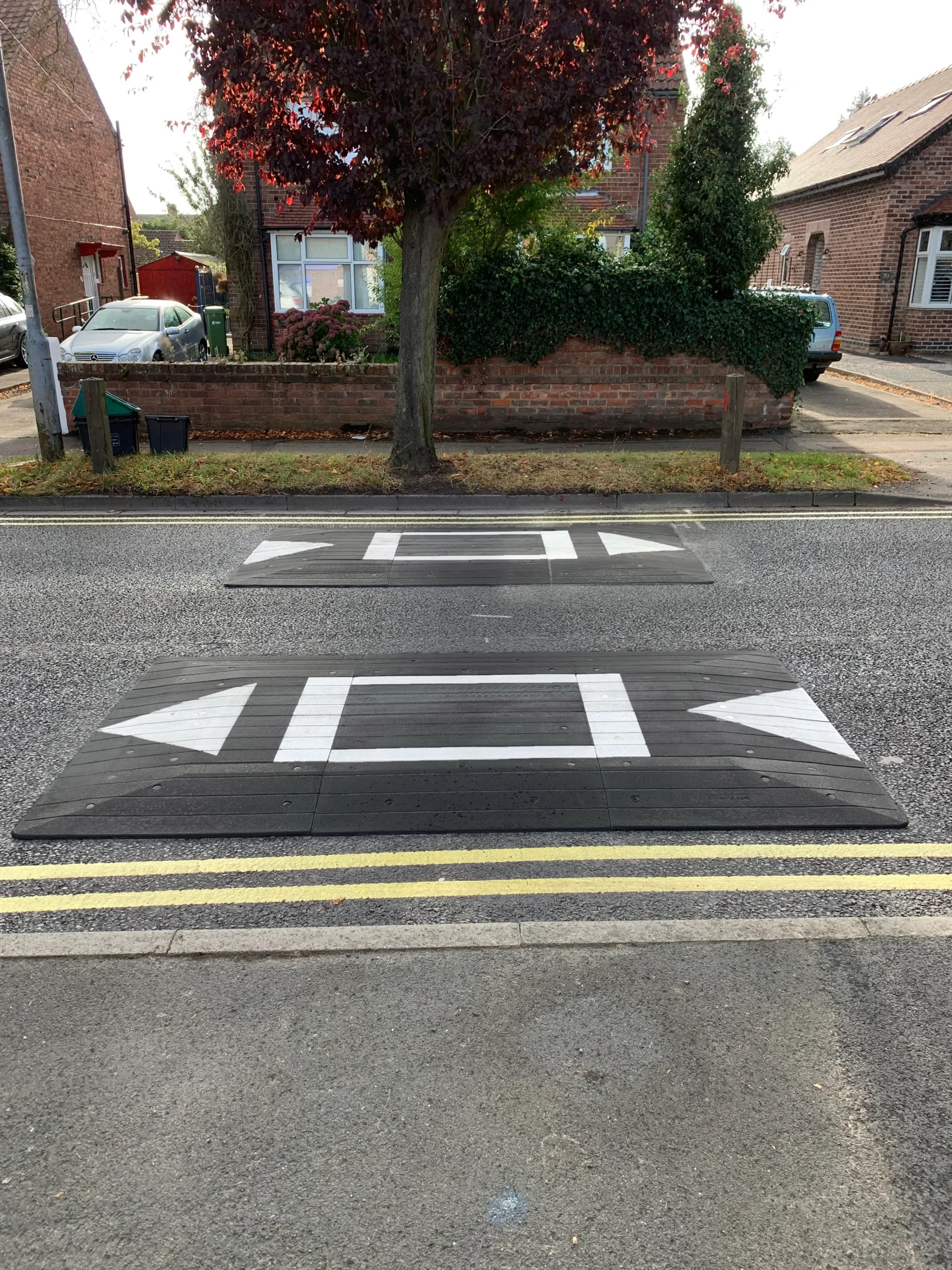
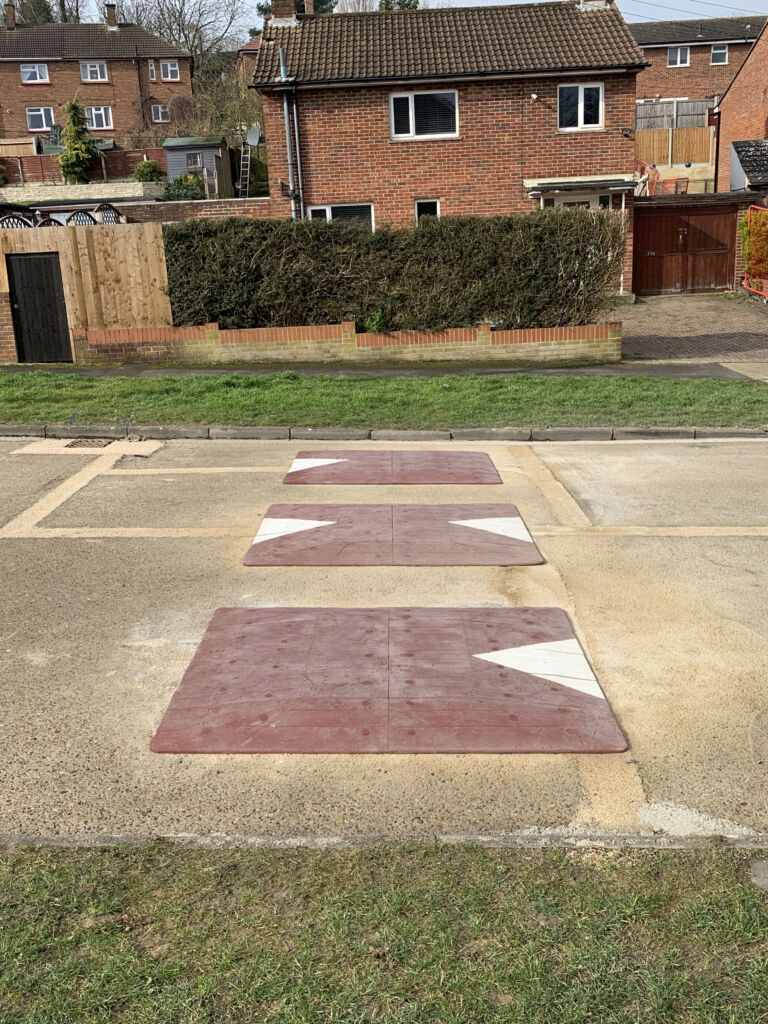
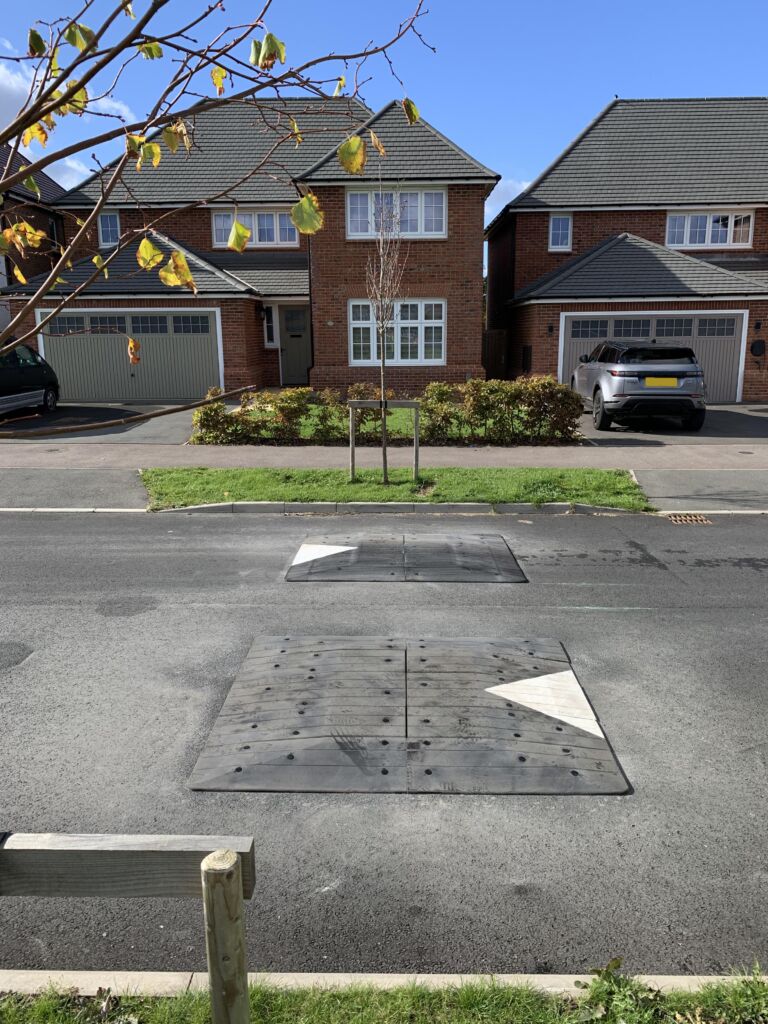
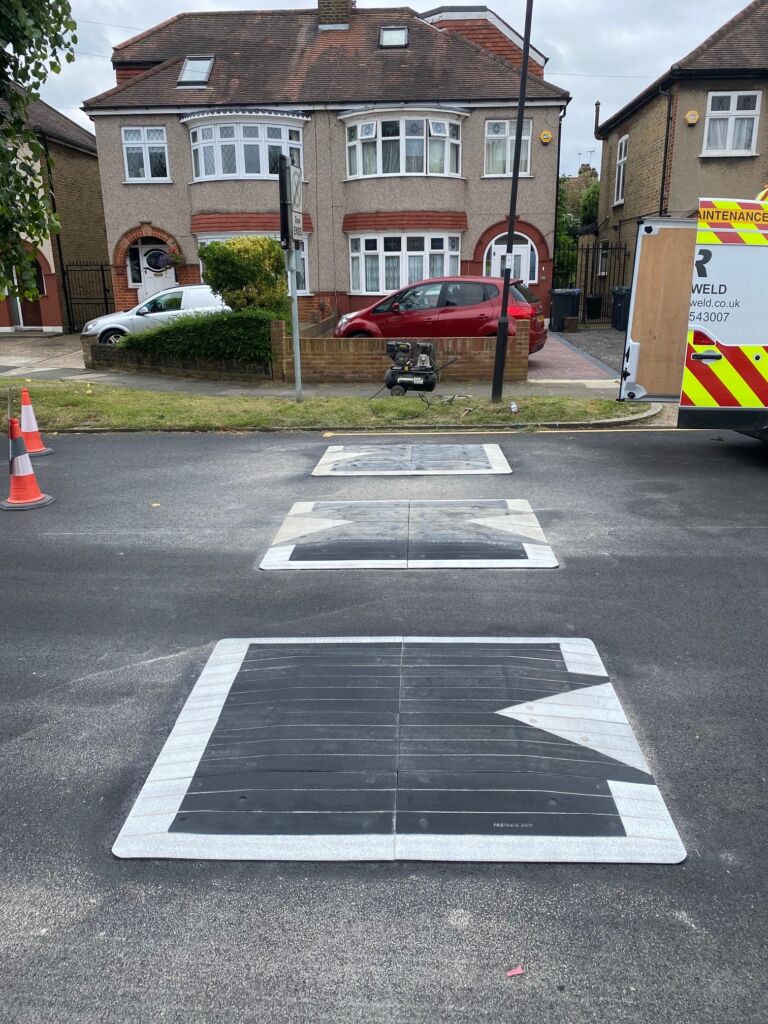
While most road users are familiar with the term “speed bumps,” it’s important to distinguish between generic bumps and engineered speed cushions. Unlike traditional full-width speed humps, which stretch across the entire width of a road and impact all vehicles equally, speed cushions are narrower, usually placed in a pair or triplet formation across the road’s width. Their segmented design allows wider vehicles such as ambulances, fire engines, and buses to straddle them, enabling critical services to continue their routes without disruption, while still effectively slowing down regular passenger vehicles.
This design refinement is particularly relevant in today’s traffic environment where roads must balance the needs of emergency responders, public transport, pedestrians, cyclists, and private drivers. Speed cushions are typically between 1.6 to 1.9 metres wide and are deliberately spaced so that smaller vehicles cannot avoid them completely, while larger axled vehicles pass over them with ease.
Rediweld Traffic’s Traficop® Speed Cushions embody this design philosophy. Manufactured from recycled rubber and tailored for various site conditions, these cushions provide all the advantages of speed calming without the blanket disruption caused by traditional methods.
In contrast to older concrete humps, which offer limited flexibility, modular rubber cushions are more considerate to road design and urban planning.
Why Use Speed Cushions? The Benefits Beyond Speed Reduction
While slowing down vehicles remains a primary goal, the benefits of speed cushions surpass speed control. Their implementation aligns with several critical goals in urban and suburban planning.
Road Safety in High-Risk Areas
One of the most direct advantages of speed cushions is their ability to improve road safety, especially in high-risk zones such as school areas, residential neighbourhoods, and retail precincts. Introducing a physical deterrent to excessive speeding areas creates a safer environment for pedestrians, cyclists, and drivers alike. The TRL Report 312 confirms that speed cushions are an effective way to reduce mean vehicle speeds while minimising disruption for larger essential service vehicles.
Supporting Modal Shift
With UK transport policy increasingly encouraging a modal shift towards walking, cycling, and public transport, creating safe and welcoming streets is more important than ever. Speed cushions help achieve this by calming vehicle-dominated roads, making them less intimidating for non-motorised users. Their presence sends a visual cue that streets are shared spaces, rather than corridors for fast-moving traffic.
Reducing Noise and Vibration
Modular rubber speed cushions, such as those offered by Rediweld Traffic, also outperform traditional concrete versions in terms of noise and vibration. Their flexible structure absorbs some of the kinetic energy from passing vehicles, reducing impact noise and resonance through nearby buildings. This makes them an ideal choice for residential settings where acoustic comfort matters.
Sustainability and Maintenance
As they are made from recycled materials, modular speed cushions contribute to more sustainable infrastructure choices. Their installation is faster, cleaner, and less resource-intensive than traditional asphalt alternatives. They are also removable and recyclable, making them suitable for pilot schemes or changing road layouts.
Design Considerations for Effective Speed Cushion Use
To maximise their effectiveness, speed cushions must be tailored to specific environments. Placement, height, spacing, and materials all influence how cushions perform in practice. Good design doesn’t rely on a one-size-fits-all model, it requires thoughtful planning and local data.
Strategic Placement
The ideal location for speed cushions is informed by collision data, speeding reports, and risk assessments. Planners should identify zones with vulnerable road users, like school routes or elderly residential areas, and prioritise those for interventions. Using tools like local traffic audits or GIS mapping, it’s possible to target installations where they will have the most impact.
Cushion Dimensions and Spacing
The height and spacing of cushions significantly affect vehicle behaviour. Cushions that are too low may be ineffective, while those that are too high can be unnecessarily harsh. The TRL312 study outlines best practices for achieving balance: typically, cushions are 65 to 75mm high, with spacing of 1.2 to 1.5 metres between each unit to accommodate different axle configurations.
Material and Visibility
Rubber cushions from Rediweld Traffic offer customisable surface finishes, colours, and reflectivity. These features improve visibility during night-time or poor weather conditions, contributing to better compliance. Surface markings, warning signs, and good lighting should always accompany cushion installations to reinforce their presence and function.
Flexible Installation
Modular systems also allow for phased deployment. Councils can trial cushions in a small area, collect feedback, and either scale up or remove them without major roadworks. This reduces both upfront cost and long-term commitment, making cushions a highly flexible tool in the urban planner’s kit.
Why Choose Modular Rubber Speed Cushions?
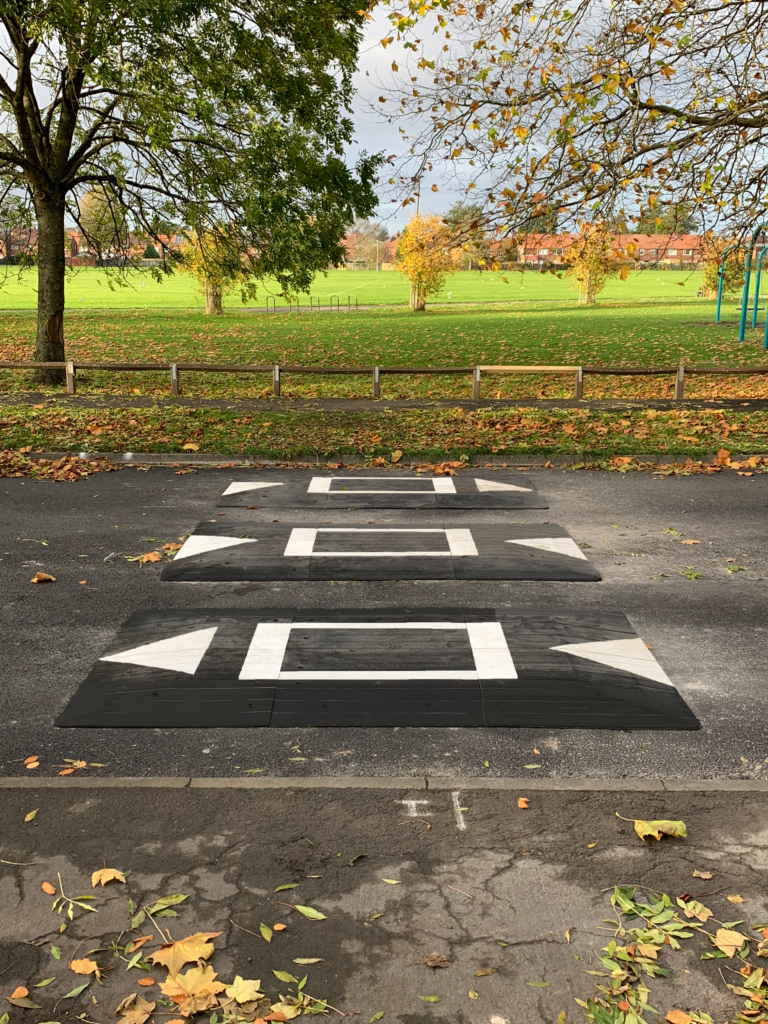
Concrete and asphalt traffic calming measures have long been standard, but they come with drawbacks—permanent placement, extended road closures during installation, and poor sustainability. In contrast, Rediweld’s Traficop® Speed Cushions are a modern solution designed to adapt to evolving urban demands.
Eco-Friendly Materials
Constructed from recycled rubber, Traficop cushions embody Rediweld’s commitment to sustainable manufacturing. Not only do they reduce landfill waste, but they also create a circular economy by giving new life to end-of-use rubber materials.
Fast Installation
Modular cushions can be installed in just a few hours, minimising traffic disruption and the need for costly road closures. Their simplicity makes them ideal for councils working under tight budgets or strict timeframes.
Temporary or Permanent Solutions
As these cushions can be removed or relocated, they are ideal for trial schemes, events, or changing road networks. This is particularly useful in urban areas where permanent redesigns are cost-prohibitive or politically sensitive.
Customisation
Rediweld cushions are available in various colours and designs that allow authorities to match aesthetics with function. Reflective elements can be built into the surface to enhance visibility and compliance at night.
Real-World Example: Enfield Council
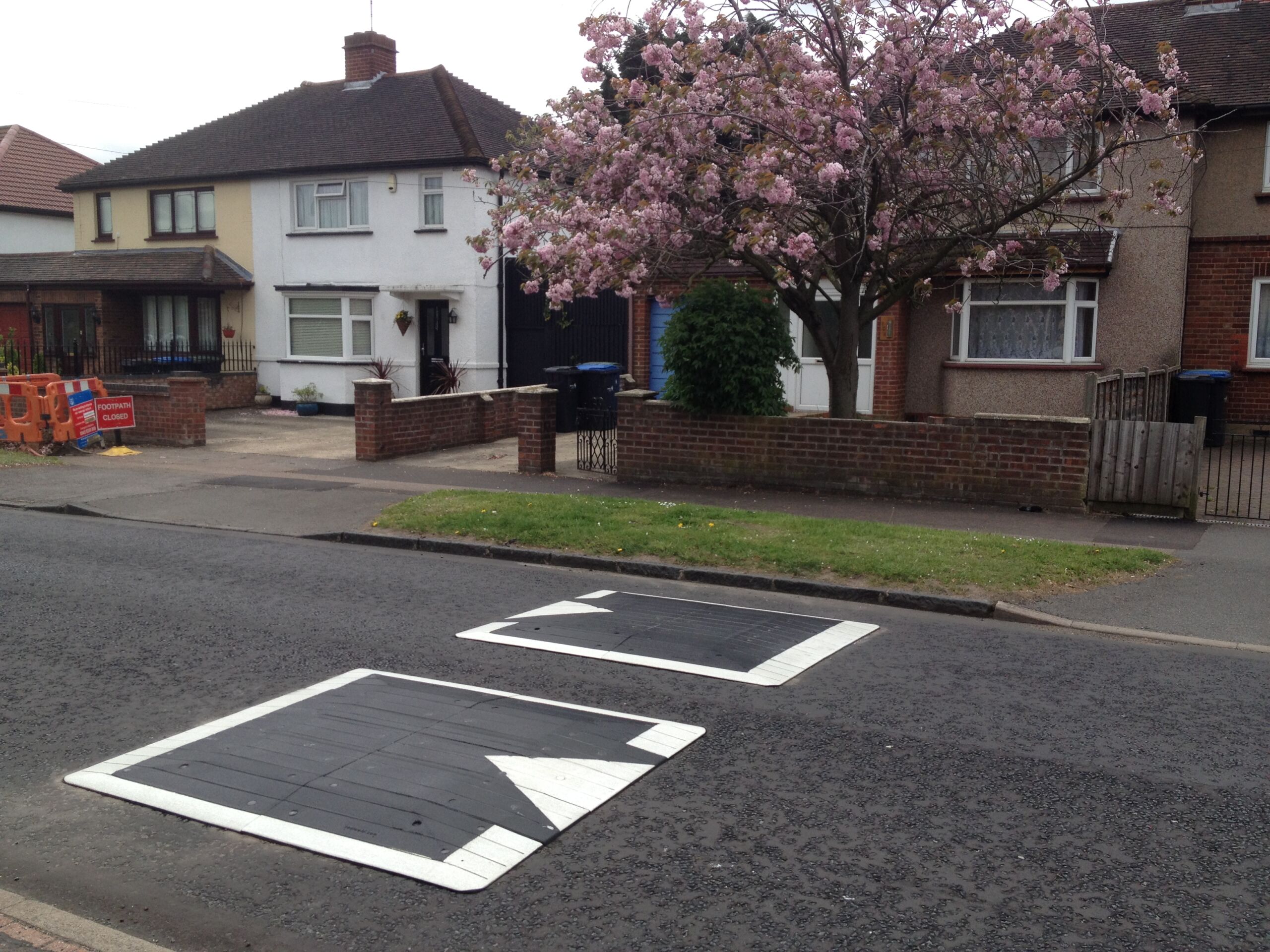
As part of Enfield Council’s 20mph programme, the Highway Improvements Team explored alternative speed cushion materials and installation methods to improve efficiency, reduce disruption to road users, and deliver longer-term maintenance and sustainability benefits. The study highlighted the advantages of bolt-down recycled rubber cushions over traditional construction.
Ready to Create Safer Streets in Your Community?
Rediweld Traffic’s Traficop Speed Cushions combine over 30 years of British manufacturing expertise with cutting-edge sustainable design. Our recycled rubber construction, rapid installation process, and proven track record with councils across the UK make us the trusted partner for your next traffic calming project.
Whether you’re planning a pilot scheme, responding to resident concerns, or implementing comprehensive traffic management, our technical experts are ready to provide tailored solutions that work.
Contact Rediweld today for a consultation and discover how our proven speed cushion systems can transform your community’s roads. Visit our Traffic Calming product range or call our technical team directly for expert guidance specific to your site requirements.