

What Is Passive Safety and Why It Matters in 2026
As we look at the environment of highway design in 2026, the concept of passive safety has become more than a regulatory checkbox, it’s now a core principle in safeguarding road users. With increasing traffic volumes, higher vehicle speeds, and greater urban density, the importance of minimising harm in the event of a collision has never been more urgent.
Passive safety refers to the strategic design of roadside structures to mitigate injury to vehicle occupants upon impact. Rather than attempting to prevent accidents outright, like warning signs, lane markings, or traffic lights do, passive safety measures assume that collisions can and do happen, and aims to reduce the consequences.
By comparison, active safety systems and infrastructure are designed to avoid accidents in the first place.
This distinction is critical as national road safety strategies across the UK and Europe have reinforced that safe road design must include both active and passive safety barriers. Councils, highway planners, and infrastructure designers are now expected to integrate passive solutions, such as frangible signposts and deformable barriers, especially in high-risk and high-speed areas.
For an in-depth look at modern passive safety offerings, you can explore the Rediweld Passive Safety Overview, which includes tested, compliant products ready for the latest standards.
Passive Safety vs Active Safety: Understanding the Difference
Understanding the interplay between active and passive safety is essential for anyone involved in traffic and infrastructure planning. While active safety features such as signals, surface markings, reflective studs, and advanced driver warnings help avoid incidents, passive safety comes into play after an accident becomes inevitable.
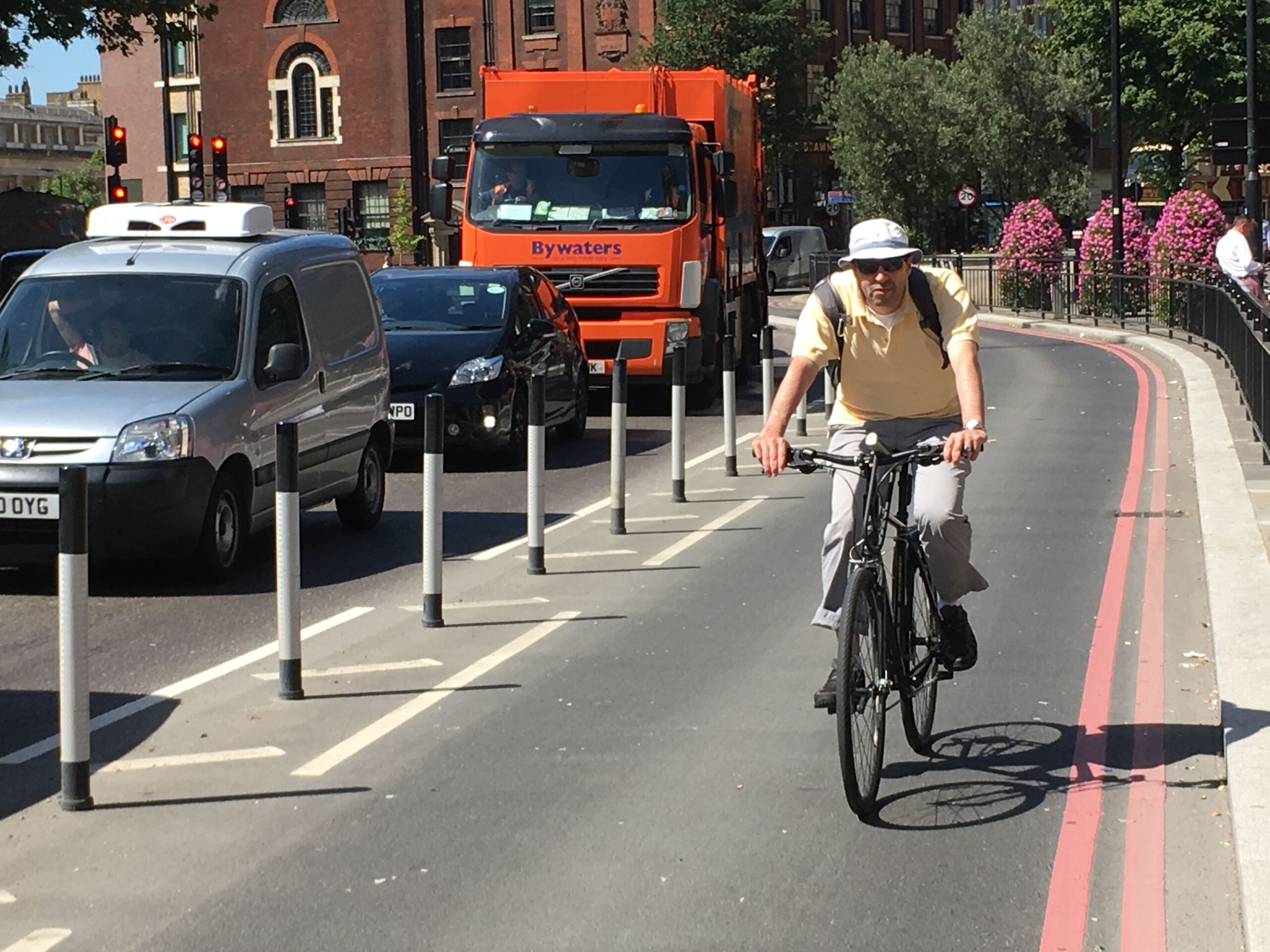
For example, an active safety feature might be a flashing speed sign warning drivers to slow down as they approach a pedestrian crossing. A passive safety solution, on the other hand, would be a passively safe pole that supports that sign, engineered to collapse or yield safely if struck by a vehicle.
The ARSM Guidance on Passively Safe Product Requirements provides further clarity. It notes that passive safety features are particularly critical on roads where vulnerable road users are present, where vehicles frequently leave the carriageway, or where fixed roadside objects present severe hazards during impacts.
A combination of active and passive safety systems can create a more forgiving roadside environment and reduce fatalities, injuries, and infrastructure damage across the network.
Passive Safety Regulations: What Has Changed?
Staying current with passive safety regulations, a number of key changes have taken effect, and these updates significantly impact which products can be specified for public highways.
Most notably, compliance with EN 12767 remains mandatory, but greater emphasis is now placed on the correct interpretation of performance classes. This European standard classifies passive safety products based on their energy absorption capacity, which is broken down into three types:
- HE (High Energy): Designed to absorb high levels of impact energy.
- LE (Low Energy): Intended for lower-speed impacts or non-critical zones.
- NE (Non-Energy Absorbing): Break away or deform without absorbing significant energy.
The latest ARSM guidance underscores the importance of CE or UKCA marking, verified third-party testing, and supporting documentation, especially in applications near pedestrian routes or cycle paths.
Planners must also be aware of situations where passive safety is a requirement. These include:
- Roads with speed limits exceeding 50 mph
- Clear zones (areas adjacent to the roadway kept free of fixed objects)
- Sites frequented by vulnerable road users
- Urban and suburban areas with limited setback for infrastructure
West Lothian Council’s specification document is an excellent example of how local authorities are translating national regulations into practice, with detailed expectations for passive safety in planning applications.
When and Where to Specify Passive Safe Products
A crucial part of incorporating passive safety into road design is knowing exactly when and where to use passively safe products. Their specification depends on context, guided by risk assessment and roadside conditions.
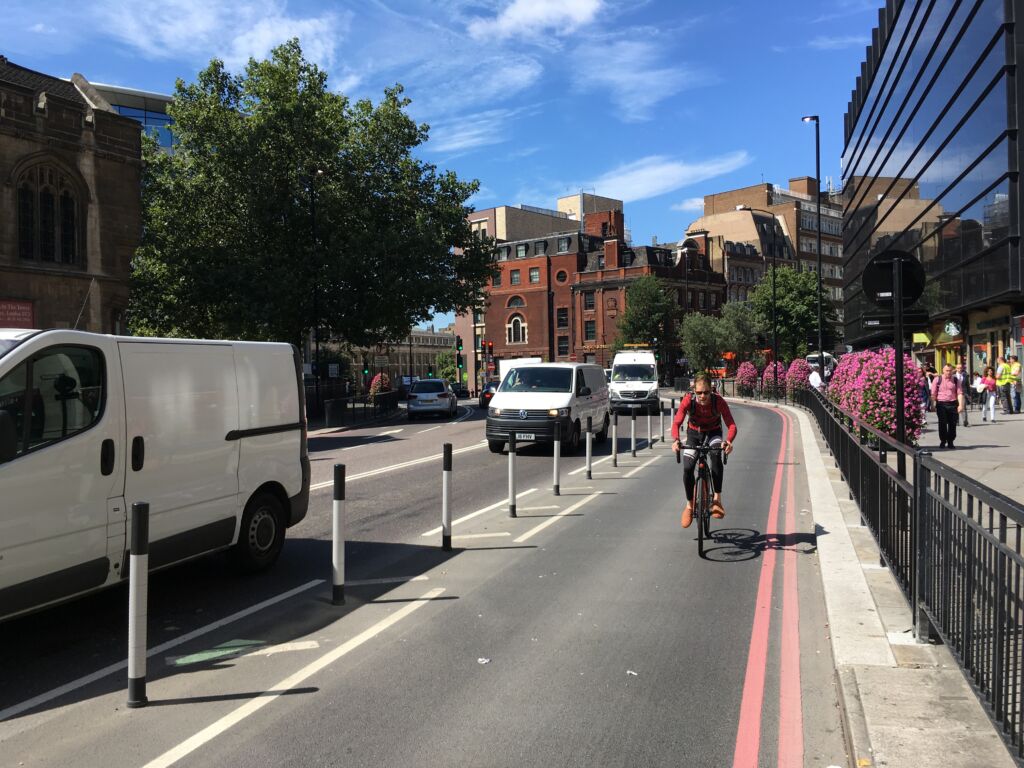
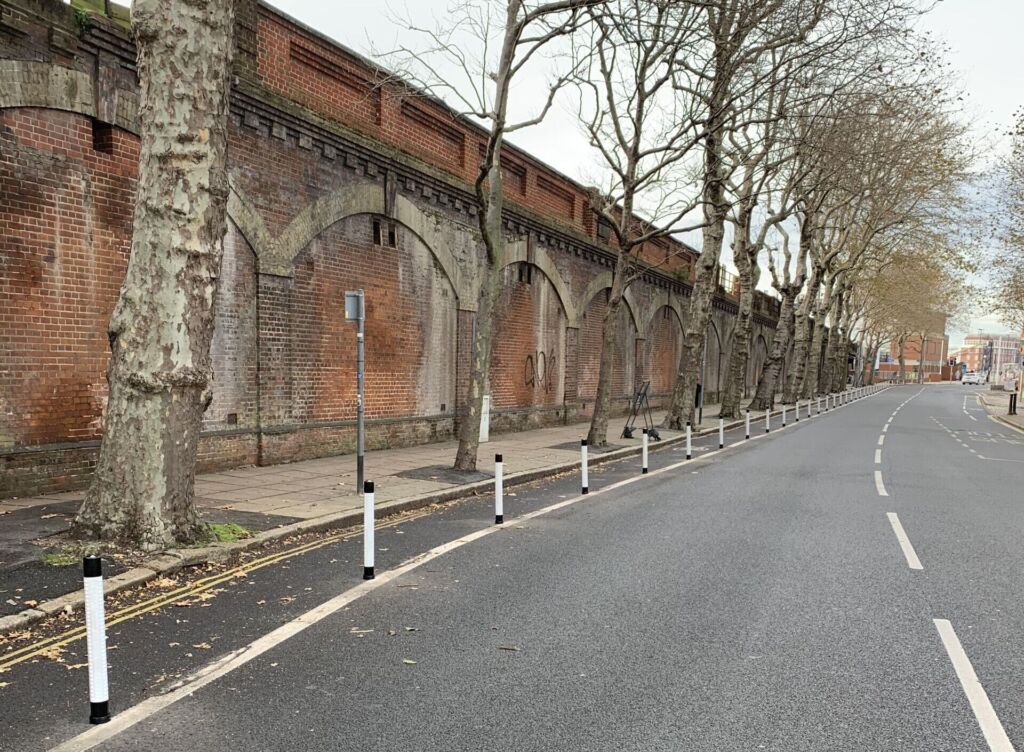
High-speed rural roads present an obvious need where vehicles are more likely to leave the carriageway at speed, and traditional rigid structures, such as steel posts or concrete columns pose lethal hazards. In such settings, passive safe poles can dramatically reduce the severity of crashes.
In urban zones, passive safety is often required for very different reasons. Streets with heavy pedestrian use, cycling lanes, and tight kerbs leave little margin for error. If a vehicle mounts the pavement or loses control, the infrastructure shouldn’t amplify the danger. Traffic islands, central reservations, and roadside verges should therefore be fitted with frangible or collapsible alternatives.
The ARSM guidance also stresses the role of risk assessment, which should consider vehicle types, pedestrian proximity, speed environment, visibility, and the probability of impact.
Examples of Passive Safe Products in Practice
To better understand how passive safety is applied in real-world scenarios, here are four standout examples from Rediweld’s product line:
- Jislon TSRGD Highway Pole Cones
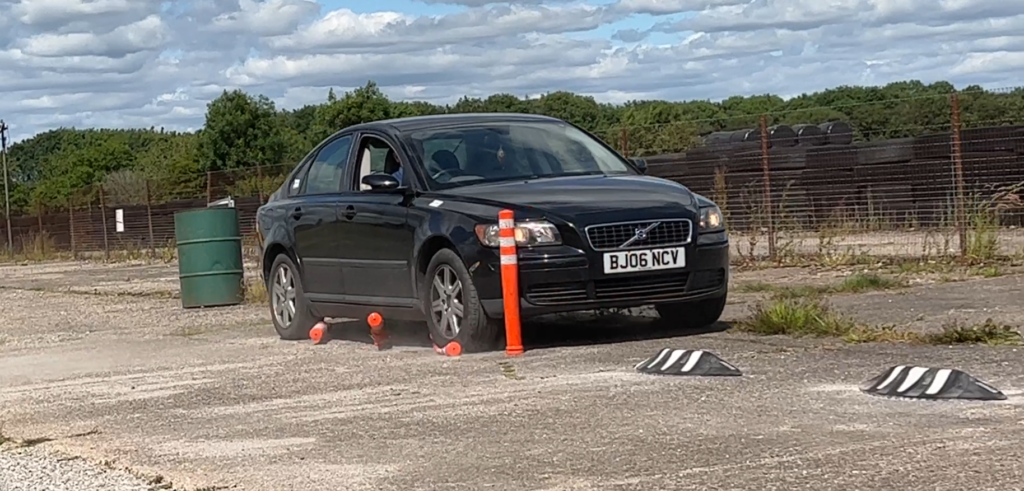
These pole cones comply with TSRGD (Traffic Signs Regulations and General Directions) and feature a frangible design that collapses safely under impact. They’re ideal for high-speed or high-risk areas. - Jislon Off-Highway Poles
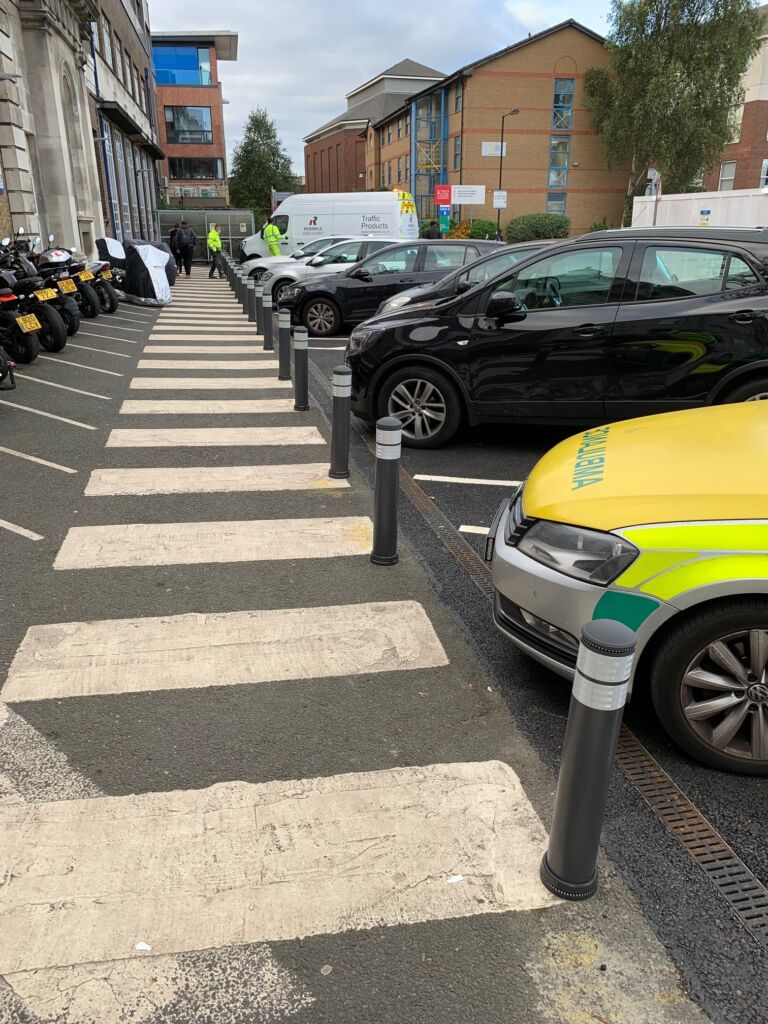
Designed for private roads, industrial parks, and off-road infrastructure, these poles offer a passive safety solution without compromising durability. They’re commonly used in logistics depots and car parks where impact risk is high. - Jislon City Pole Cone
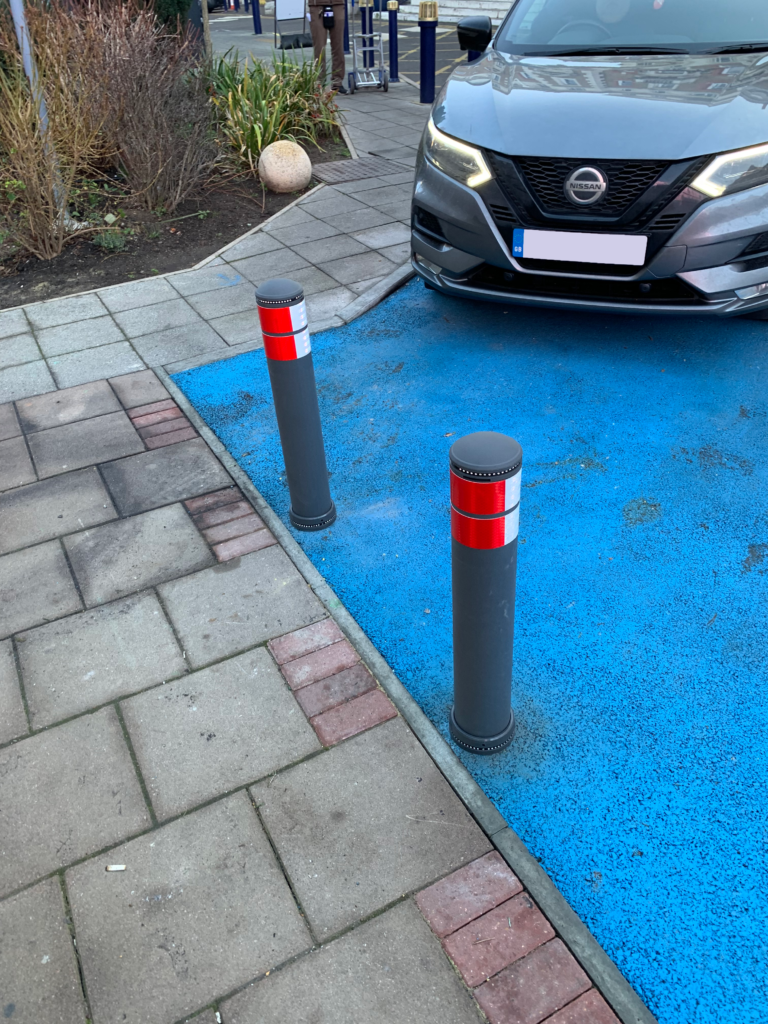
This urban-optimised pole has a minimal footprint, making it perfect for tight pavements or city centres. It can be specified with various heights and diameters, and provides an aesthetically modern alternative to bulky steel columns. - Jislon Verge Markers
These are especially effective on rural roads, dual-purpose lanes, or in low-visibility environments. They clearly indicate road edges and can survive minor impacts without serious damage, helping reduce recovery costs and safety risks.
Each of these passive safe poles demonstrates the versatility of Rediweld’s approach, combining modular construction, tested materials, and site-specific designs to meet the demands of 2026 infrastructure.
The Benefits of Passive Safety for Councils and Designers
Beyond compliance, passive safety offers tangible, long-term benefits for local authorities, designers, and taxpayers alike. Choosing passive safety represents a proactive investment rather than simply a defensive strategy.
One of the most immediate benefits is the reduction in injury severity and fatalities following roadside collisions. With products engineered to absorb or deflect energy, vehicles are less likely to be catastrophically damaged, and occupants are more likely to walk away from the incident.
This, in turn, leads to:
- Lower liability claims against councils
- Reduced insurance and legal exposure
- Faster reinstatement of damaged infrastructure
- Improved public trust in road safety initiatives
Modular products such as those from Rediweld also facilitate easy replacement of individual components, reducing downtime and labour costs. Their lightweight construction often simplifies installation, particularly in congested or sensitive locations.
Reducing the volume of materials used over time, especially in maintenance and replacement, also supports sustainability goals. Lower carbon emissions, fewer logistics trips, and less resource-intensive fabrication aligns well with the UK’s broader environmental targets.
For a comprehensive overview of available solutions, planners are encouraged to consult the Rediweld Passive Safety product page, where specifications, product use cases, and regulatory details are readily available.
Making Roads Safer: Your Passive Safety Solution
As highway design continues to evolve, the principles of passive safety are becoming embedded in everyday infrastructure decisions. In 2025, it’s not enough to place a sign or post by the roadside, it must be engineered to fail safely, comply with rigorous UK standards, and demonstrate its value to both users and authorities.
The future of road design lies in holistic safety strategies, ones that account for real-world conditions, local risks, and user behaviour. With regulatory changes now in full effect, and the demand for impact-conscious infrastructure rising, the time to act is now.
Rediweld stands ready to support councils, engineers, and specifiers with compliant, passive safety solutions for every environment, from busy urban corridors to remote rural lanes. If you’re reviewing an upcoming project or updating your specifications, explore the full Rediweld Passive Safety range or get in touch for tailored guidance.