

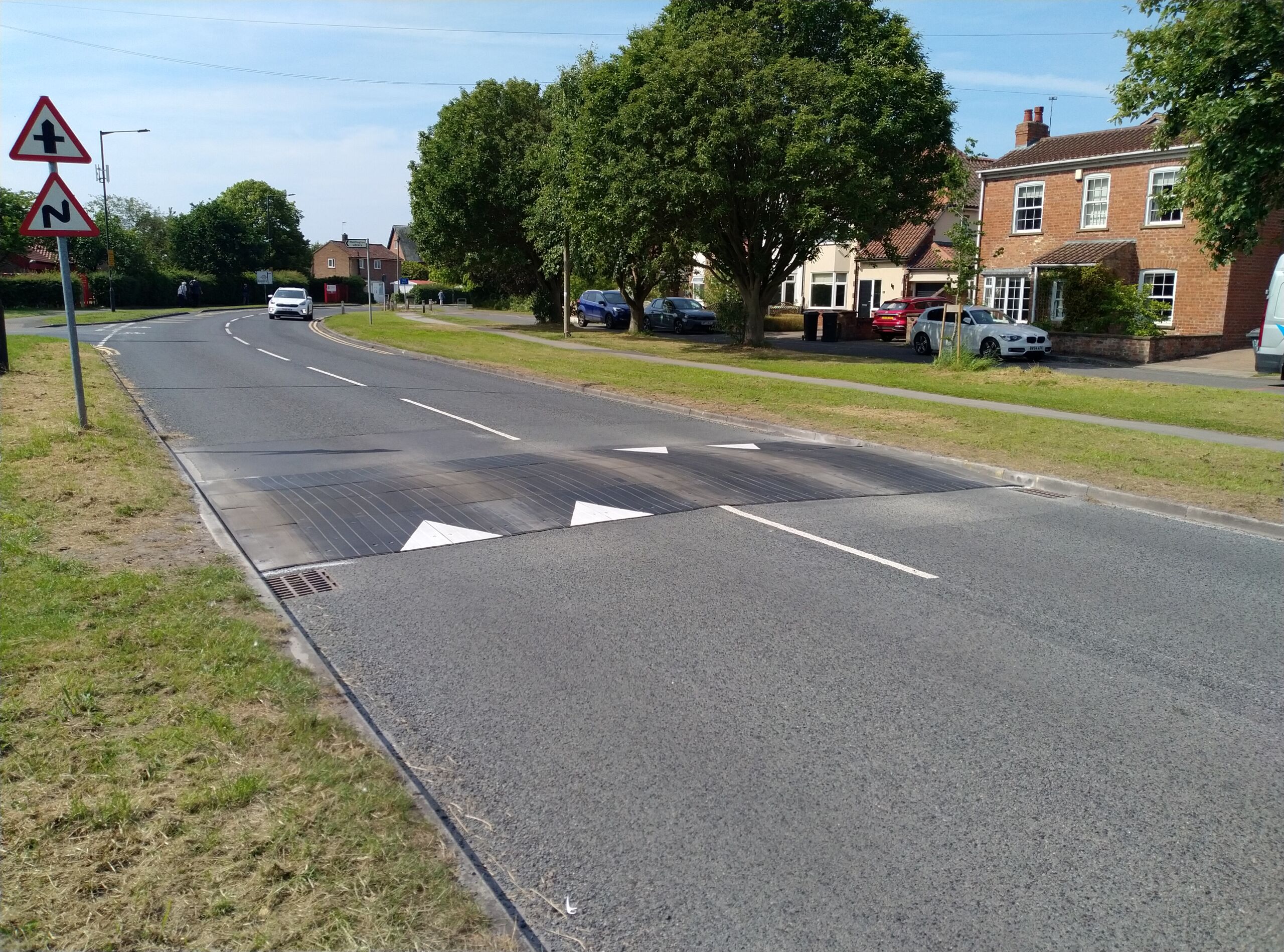
Why Traffic Calming Matters
For urban planners, traffic calming has become a critical element in shaping safer, more liveable towns and cities. As road usage surges and urban streets become increasingly multifunctional spaces, effective speed management is now essential.
Post-pandemic urban life has brought renewed focus to active travel, public health, and shared public spaces, and as a local authority you’re now under growing pressure to create environments that are functional, inclusive and sustainable.
Rediweld provides traffic calming solutions specifically tailored for councils and urban planners. Our goal is to support your evidence-based decision-making when implementing street-level changes, backed by UK regulatory guidance and global urban design best practices.
1. What Is Traffic Calming?
Traffic calming is defined by the UK Department for Transport (DfT) as the combination of physical measures designed to reduce the negative effects of motor vehicle use, alter driver behaviour, and improve conditions for non-motorised users. In practical terms, traffic calming interventions seek to reduce vehicle speeds and improve safety without relying solely on enforcement.
According to LTN 1/07 – Traffic Calming Guidance (PDF), traffic calming can include a wide variety of approaches, from speed cushions and raised tables to chicanes, narrowing features, and signage. These measures are typically deployed in areas such as residential neighbourhoods, town centres, near schools, or within Low Traffic Neighbourhoods (LTNs).
Historically, traffic calming began with basic physical engineering, speed humps and road closures, but has since evolved into a more holistic, context-sensitive approach. International standards, such as those found in the Global Street Design Guide, highlight human-centred principles that promote livable street design by integrating safety with placemaking.
2. Why Local Councils Should Prioritise Traffic Calming
There is a compelling business and social case for you to invest in traffic calming measures. Road safety remains a top concern for communities across the UK, and when you slow down vehicles, you significantly reduce the number and severity of collisions. Evidence from LTN 1/07 also shows that lower speeds dramatically reduce the risk of fatal outcomes for pedestrians..
Beyond raw safety statistics, traffic calming contributes positively to community wellbeing. Slower streets make people feel safer and encourage more walking and cycling, which is a crucial component of local public health strategies and active travel initiatives. These measures also support local economies by increasing footfall and making high streets more welcoming.
Policy compliance is another reason you should act. Government bodies including NI Direct and GOV.UK’s Know Your Traffic Signs clearly identify traffic calming as a vital part of delivering safer road environments. Programs like Active Travel England and the Levelling Up fund further incentivise the implementation of street-level interventions by aligning funding with traffic calming outcomes.
3. Common Types of Traffic Calming Measures
The installation provides clear physical protection for structural brackets, improves driver visibility in confined areas, reduces the risk of vehicle impact, and delivers a durable, low-maintenance solution while allowing the car park to remain operational throughout the works.
As a planner, you have an expanding toolbox of physical interventions available for traffic calming. These vary in cost, complexity, and suitability depending on road type and usage. Rediweld offers a range of modular solutions that align with best practices in traffic engineering and urban design.
Speed Cushions
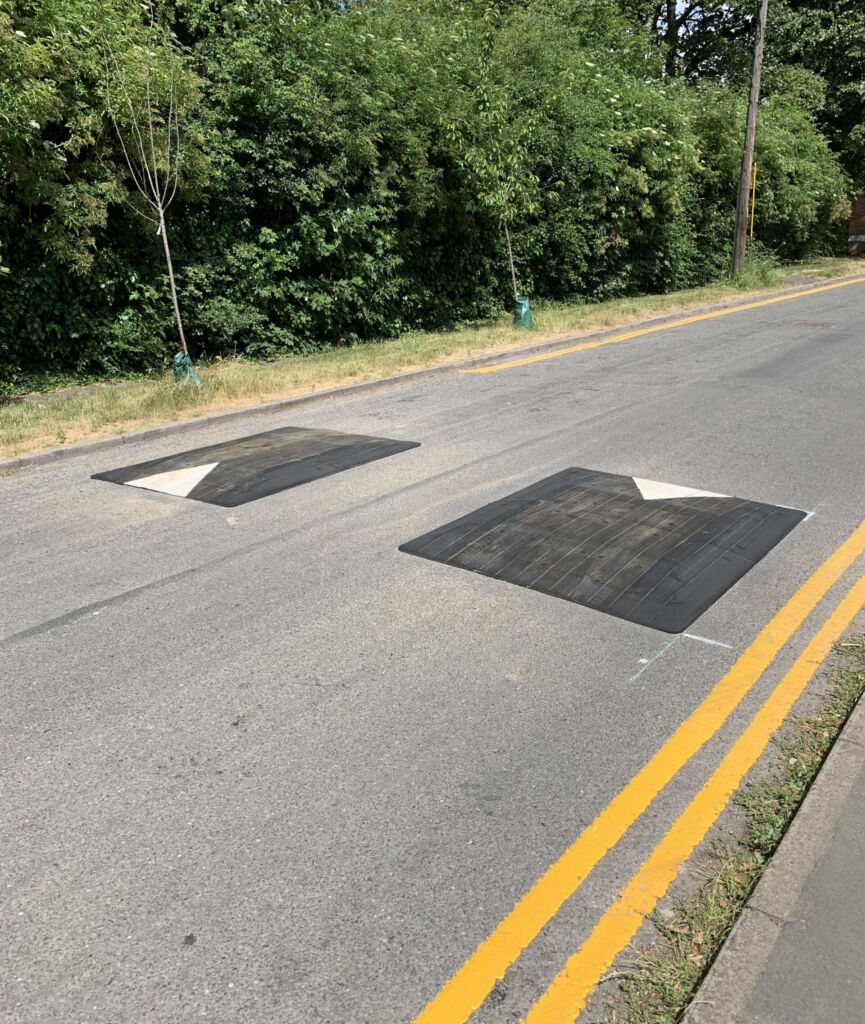
Traficop Speed Cushions® are one of the most versatile and widely used options. These raised segments narrow the effective lane width and compel drivers to reduce speed while still allowing emergency vehicles and buses to pass with minimal disruption. Speed cushions are ideal for long residential roads or zones near schools, where slowing traffic is critical but access must be maintained for larger vehicles.
Sinusoidal Ramp
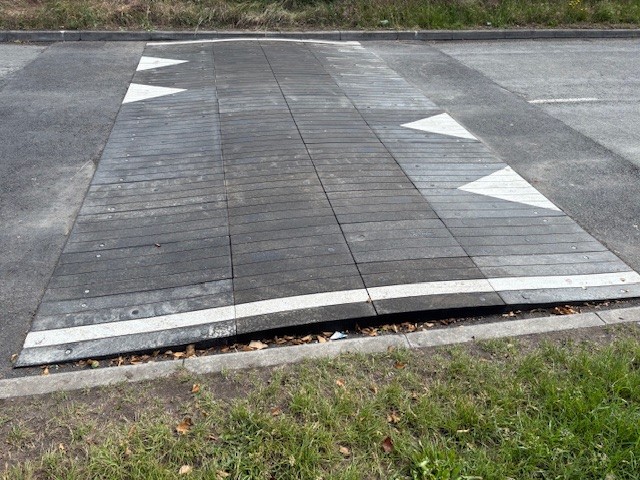
The Sinusoidal Ramp offers a gentler profile than traditional speed cushions, making it more comfortable for cyclists, cargo bikes, and emergency vehicles to cross while still slowing down cars effectively. Made from recycled materials and installed as a modular, surface-mounted system, it requires no excavation and can be configured in 3.1 m or 4.1 m lengths. It’s particularly well-suited for areas where both traffic calming and cyclist comfort matter.
Raised Tables & Combination Tables
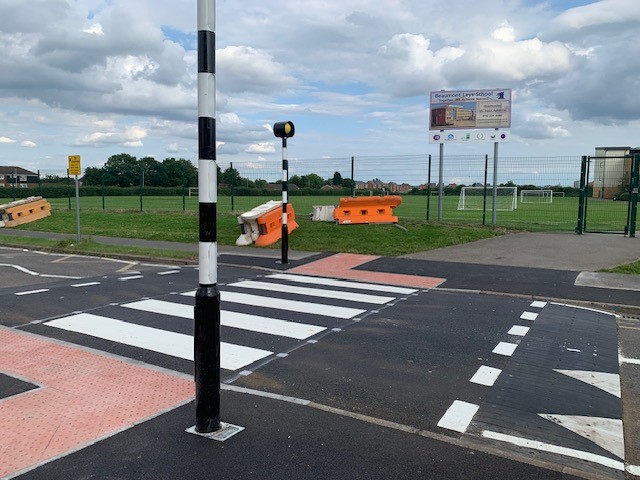
Raised features such as Raised Rubber Tables and Combination Tables are designed to give visual and physical priority to pedestrians. These are particularly effective in high-footfall areas like town centres, near shops, or outside transport hubs. Combination tables can be integrated with pedestrian crossings or other public realm enhancements to further support walkability.
Other Measures
Supplementary interventions such as chicanes, road narrowings, and visual gateways can be used in conjunction with rubber-based measures for a more tailored approach. These options help create psychological cues that reinforce slower driving habits. Councils often deploy such features at entrances to residential zones or where drivers transition from higher-speed roads into mixed-use environments.
The Rediweld Traffic Calming page offers further information on how these interventions are designed and deployed in real-world settings.
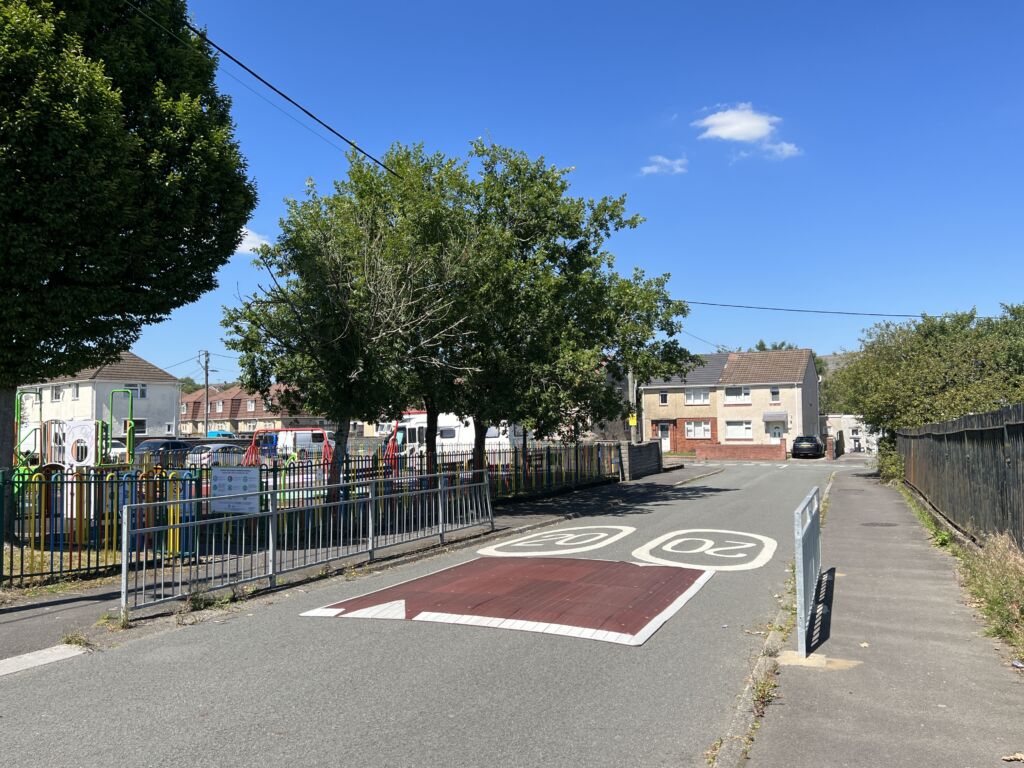
4. Modular Traffic Calming Solutions: A Flexible Future
The future of traffic calming lies in modular, sustainable solutions that offer flexibility without compromising on effectiveness. Traditional construction can be disruptive and expensive, especially when trial schemes are needed. In contrast, rubber-based systems allow for rapid installation, minimal surface preparation, and easy removal if adjustments are needed.
Using recycled rubber, these systems help reduce CO₂ emissions during production and support circular economy principles. Their longevity and resistance to wear mean lower lifecycle costs for councils. These solutions are ideal for pilot projects within Low Traffic Neighbourhoods or School Streets, where testing community impact is vital before committing to permanent infrastructure.
Councils can find more on these innovative approaches by visiting the Rediweld Product Pages, which offer detailed specifications and case uses.
5. Planning & Implementing a Scheme: What Councils Need to Know
Implementing a successful traffic calming scheme requires more than just choosing the right product. Councils must follow a data-led, consultative, and iterative approach to ensure both compliance and community support.
Data Collection
The starting point should always be an evidence base. Collect speed, traffic volume, and collision data to identify the roads most in need of intervention. Traffic counters, community speedwatch initiatives, and police reports all contribute to this process.
Consultation & Engagement
Before implementation, community consultation is best practice, and in many cases, a statutory requirement. As NI Direct outlines, local authorities must notify residents and stakeholders, often via public notices or local meetings.
Trialling & Temporary Solutions
The modular nature of Rediweld’s traffic calming products makes them particularly well-suited for temporary installations. Councils can install a scheme on a trial basis, evaluate its impact, and make adjustments before full rollout.
Monitoring & Adjustment
Post-installation monitoring is essential. Speed studies, user surveys, and collision tracking can inform whether a scheme is meeting its objectives. Councils should remain agile, willing to adjust interventions in response to community feedback or evolving traffic patterns.
6. Case for Sustainable, Community-Focused Road Design
Traffic calming should be viewed as part of a broader move toward sustainable and inclusive urban design. In the UK, initiatives like Net Zero 2050 and Vision Zero are pushing councils to reimagine the role of roads in our communities.
Well-designed traffic calming strategies promote modal shift, encouraging walking, cycling, and the use of public transport. This in turn improves air quality, reduces carbon emissions, and enhances social cohesion. Streets become public places where people live, play, and connect.
The Global Street Design Guide reinforces the importance of designing streets for people, rather than just vehicles. Similarly, Rediweld’s approach focuses on creating adaptive, low-impact, and people-first traffic calming solutions.
Rediweld’s Role in Supporting Smarter Streets
As an urban planner, you face increasing pressure to create safer, greener, more inclusive communities, and traffic calming will continue to play a pivotal role. The benefits are clear: reduced speeds, fewer collisions, more vibrant public spaces, and a smoother path to long-term sustainability goals.
Rediweld offers a proven, flexible, and environmentally responsible approach to traffic calming. With modular systems that meet UK regulations and align with global best practices, Rediweld is uniquely positioned to support councils in making informed, impactful decisions.
Explore our full range of Rediweld Traffic Calming Solutions or get in touch with our team for expert advice on your next traffic management project.